


There aren’t many items of clothing that are as timeless and essential as a great pair of jeans. The right jeans can pull your entire outfit together; from casual weekends to working environments, denim suits almost any occasion. But with so many different styles, fits, and fabrics available, finding that perfect pair can feel overwhelming.
Choosing the perfect pair isn’t just about style; it's about finding a fit that complements your body and suits your lifestyle. The right pair of jeans will stick with you, becoming even more comfortable and better looking over time.
In this guide, we’ll take a look at all the things you should consider when looking for your next pair of jeans, from the fit and cut to the colour, wash and material options so you can feel confident about your denim choices and make them last.
A Brief History of Denim Jeans
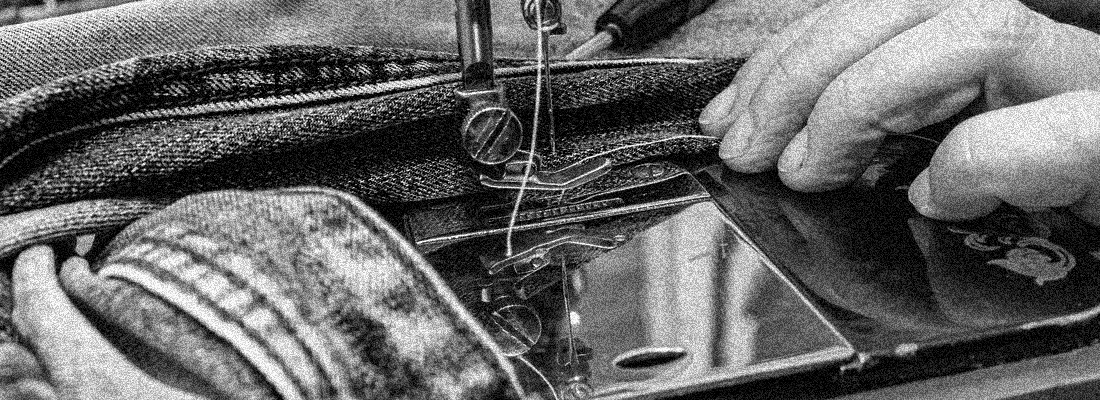
The story of denim begins in the late 19th century. Denim, a sturdy cotton twill fabric, was first created in the French town of Nîmes, hence its name derived from "serge de Nîmes." This durable fabric caught the eye of Jacob Davis, a tailor, and Levi Strauss, a fabric supplier, in the 1870s.
Together, they patented the idea of using rivets to strengthen the pockets of work pants, giving birth to the first pair of jeans. These were initially designed as tough, resilient trousers for miners and labourers.
The Evolution Of Jeans
Jeans quickly gained popularity among workers for their durability and practicality. In the early 20th century, they became synonymous with rugged, manual labour, especially in the mining and railroad industries.
By the 1950s, jeans had transcended their workwear roots, entering mainstream culture as a symbol of rebellion and youth, thanks to icons like James Dean and Marlon Brando. The 1960s and 70s saw jeans embraced by various subcultures, from hippies to punk rockers, solidifying their place in fashion history.
Jeans In The Modern Era
Today, jeans are a global fashion staple, available in an endless array of styles, cuts, and washes. They are worn by people of all ages and backgrounds, reflecting their versatility and enduring appeal. From high-fashion runways to casual streetwear, jeans have cemented their status as an essential wardrobe item.
The cultural significance of jeans continues to evolve, symbolising comfort, style, and individuality. Whether it's a classic pair of blue jeans or a trendy distressed version, denim remains a powerful and influential fabric in the fashion world.
Understanding Fit
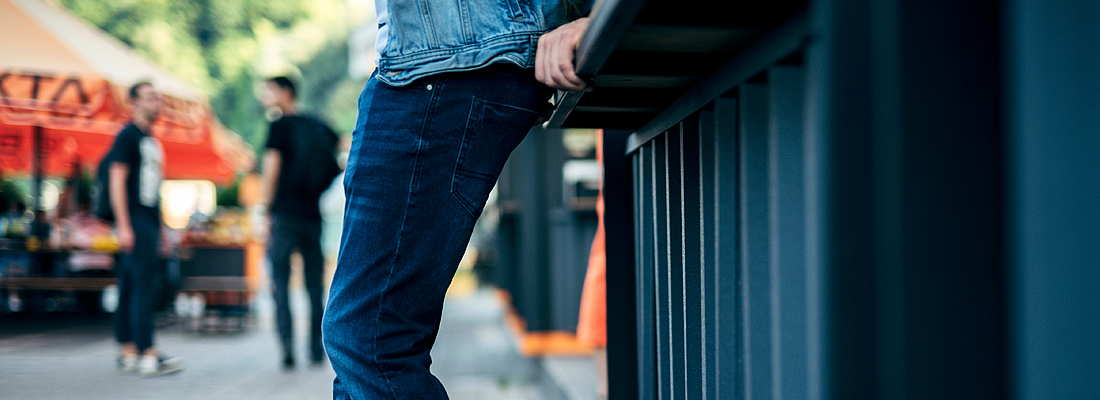
Finding the right fit for your jeans is crucial for both comfort and style. The fit of a pair of jeans can significantly affect how they look and feel, making it important to choose one that complements your body type and personal style.
Skinny Fit Jeans
Skinny fit jeans are designed to hug the body closely from the waist to the ankle, offering a tight, streamlined silhouette. These jeans are perfect for those with a slim or athletic build as they accentuate lean legs. However, they may not be the most comfortable option for those with a larger frame, as the tight fit can restrict movement.
Slim Fit Jeans
Slim fit jeans provide a slightly more relaxed alternative to skinny jeans. They offer a close fit through the thighs and taper down to a narrower leg opening, balancing comfort and style. This fit works well for men with a lean to average build, providing a modern and smart look without being overly tight. Slim jeans tend to be a versatile option as they can transition easily between casual and smarter occasions.
Regular Fit Jeans
Regular fit jeans are the most traditional and widely worn style. They offer a straight cut from the hips to the legs, providing ample room for movement. This fit is versatile and suits a wide range of body types, particularly those with an average to athletic build. Regular fit jeans are a great everyday option, offering both comfort and a classic look that’s neither too skinny or too baggy.
Relaxed Fit Jeans
Relaxed fit jeans are designed for maximum comfort, featuring a looser cut through the hips and thighs. This fit is ideal for men with a larger or muscular build, as it provides extra room and ease of movement. Relaxed fit jeans are perfect for casual styles and ensure you stay comfortable throughout the day.
Loose Fit Jeans
Loose fit jeans offer the most generous cut, with plenty of space from the waist down to the leg openings. They are particularly suited for those who prioritise comfort and a more relaxed silhouette. This fit works well for larger body types or for anyone looking for a more laid-back and easy-going style. Loose fit jeans are often favoured for casual looks, providing a distinctive and comfortable option.
Understanding Cut
The cut of a pair of jeans determines their overall shape and silhouette, significantly impacting both style and comfort. Different cuts cater to various fashion preferences and body types. Here, we discuss the characteristics of the most common cuts and their suitability for different styles.
Straight Leg Jeans
Straight leg jeans are a timeless classic, featuring a consistent width from the hips down to the ankles. This cut provides a balanced look that suits a wide range of body types, making it a versatile wardrobe staple.
Straight leg jeans are ideal for those seeking a clean, traditional style. They can be dressed up with a blazer and loafers for a smart-casual look or paired with a t-shirt and trainers for a more relaxed, everyday outfit. Their simple silhouette makes them a reliable choice for any occasion.
Tapered Jeans
Tapered jeans are designed to gradually narrow from the hip to the ankle, offering a more streamlined appearance. This cut provides a twist on the traditional straight leg, making it popular among individuals looking for a little less fabric around the ankle area than you’d get in a straight cut pair.
Tapered jeans are particularly suitable for men with a lean or athletic build, as they highlight the natural shape of the legs without being too tight. They work well with both casual and smart-casual outfits, allowing for versatility in styling. Pair them with a fitted shirt and boots for a polished look or a hoodie and trainers for a casual vibe.
Wide Leg Jeans
Wide leg jeans offer a roomy fit from the hips to the hem, providing ample space for comfort and movement. This cut is reminiscent of vintage styles, making a statement in contemporary fashion. Wide leg jeans are particularly suited for those with larger frames or anyone looking to embrace a bold, relaxed style.
They can be paired with fitted tops to balance the silhouette or with oversized pieces for a fashion-forward, streetwear-inspired look. Wide leg jeans are perfect for creating standout, trendy outfits.
Bootcut Jeans
Bootcut jeans are characterised by a slight flare from the knee to the ankle, designed to accommodate boots. This cut provides a balanced look that is both practical and stylish. Bootcut jeans are versatile, suiting a variety of body types and fashion styles.
They work particularly well for men who frequently wear boots, as the extra space at the hem allows the jeans to sit comfortably over the footwear. This style of jeans can be paired with a casual shirt and cowboy boots for a rugged, Western-inspired look, or with a t-shirt and sneakers for a laid-back, everyday outfit.
Understanding Rise
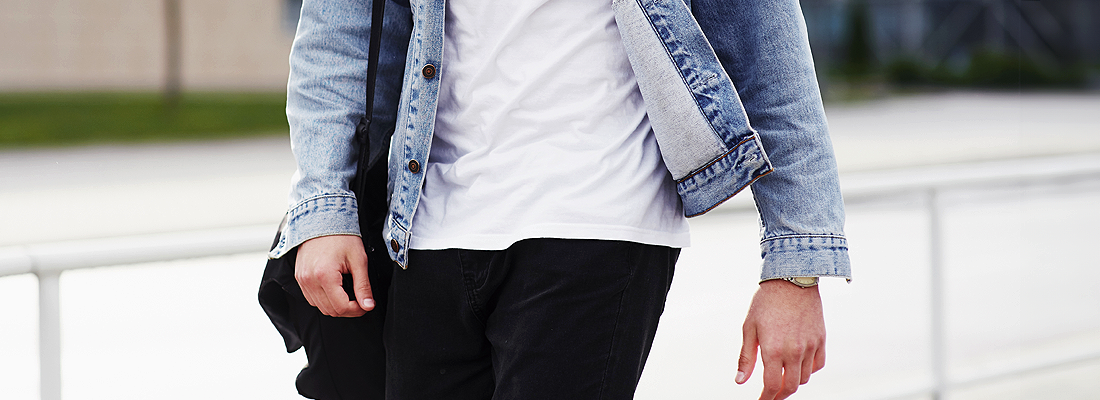
When choosing the perfect pair of jeans, understanding the concept of rise is essential. The rise of jeans refers to the distance from the crotch seam to the top of the waistband. This measurement determines where the jeans sit on your waist and significantly impacts comfort, style, and overall fit. Here’s a closer look at the different rise options and their unique benefits.
High Rise
High-rise jeans sit above the natural waist, typically covering the belly button or slightly higher. This style was popular in the mid-20th century and has seen a resurgence in recent years. High-rise jeans are particularly flattering for those with longer torsos, as they create the illusion of longer legs and a shorter upper body.
High-rise jeans can be styled in numerous ways, from tucking in a shirt for a polished look to pairing with a cropped top for a trendy, modern outfit. They also provide a vintage-inspired look, ideal for those who prefer classic styling. If you’re looking for extra coverage and a secure fit, high-rise jeans can be an excellent option.
Medium Rise
Medium-rise jeans, also known as mid-rise jeans, sit just below the natural waist, roughly around the navel. This rise offers a balanced fit that is both comfortable and versatile, making it the most common choice for many and often the most versatile option.
Mid-rise jeans work especially well for men with average to shorter torsos, as they give a proportionate look and are less restrictive than high-rise styles and provide enough coverage without being too restrictive. They are ideal for everyday wear, easily pairing with t-shirts, jumpers, or blazers. The mid-rise fit offers a classic silhouette that works well for both casual and semi-formal occasions.
Low Rise
Low-rise jeans sit below the natural waist, often resting on the hips. This style gained immense popularity in the late 1990s and early 2000s. This style is popular for casual and relaxed looks and can work well for men with shorter torsos, as it creates the illusion of a longer upper body. Low-rise jeans are generally best suited to leaner body types, as they provide less coverage and may emphasise the midsection. They pair well with fitted and casual tops, making them ideal for laid-back, contemporary styles.
Choosing the Right Rise for Your Body Type
Long Torso: High-rise jeans help create a balanced look by elongating the legs and shortening the torso.
Average or Short Torso: Mid-rise jeans provide a comfortable, proportional fit, while low-rise options can make the torso appear longer.
Athletic Build: Mid or low-rise jeans often provide a good fit, allowing freedom of movement while enhancing a lean silhouette.
Slim Build: Low-rise jeans can add dimension to the waist area, while mid-rise jeans provide a classic look without too much structure.
Denim Fabric & Material
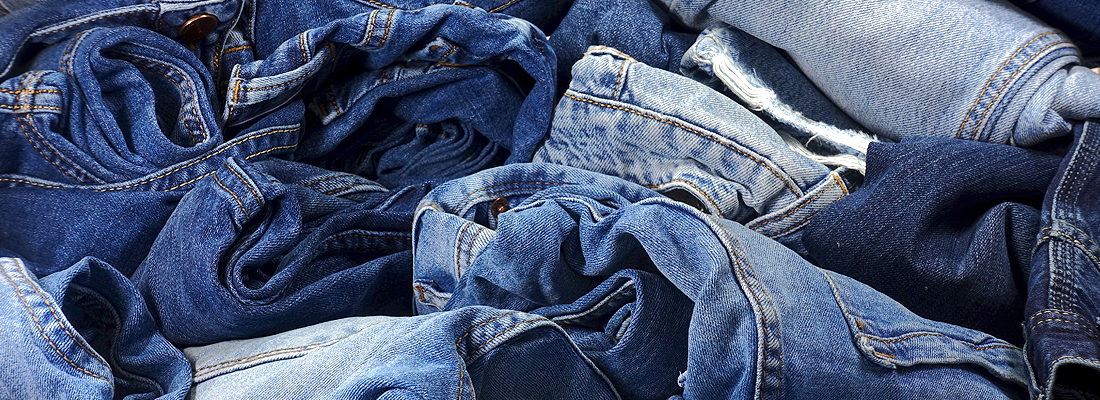
The fabric and material of your jeans play a crucial role in their comfort, durability, and overall look. Understanding the different types of denim, their weights, and material blends can help you choose the best pair for your needs.
Denim Types
Raw Denim
Raw denim, also known as dry or unwashed denim, is denim fabric that has not been washed or treated after the dyeing process. It is typically stiff and dark, developing unique fades and wear patterns over time.
Raw denim enthusiasts appreciate the personalised look that evolves over time, as a patina develops that’s personalised to the person who wears them. However, it sometimes requires a break-in period, particularly at heavier weights, and may feel rigid initially.
Selvedge Denim
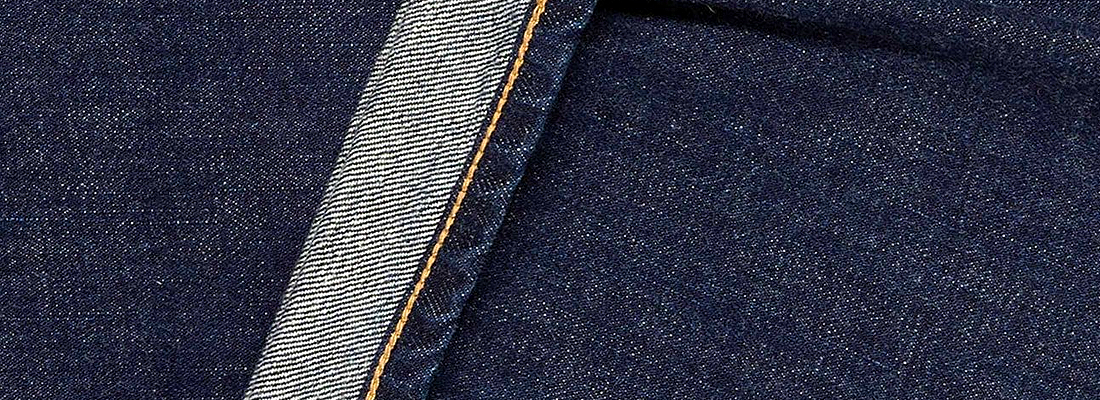
Selvedge denim is characterised by its tightly woven band on the fabric's edge, preventing fraying and unravelling. The traditional way of making denim, selvedge fabrics are made on older style shuttle looms, resulting in a denser and more durable fabric.
Selvedge denim is highly prized for its quality and craftsmanship, often recognised by the distinctive edge detail that’s visible when the cuffs are turned up.
Stretch Denim
Stretch denim incorporates elastic fibres, such as elastane or spandex, into the cotton fabric, providing additional flexibility and comfort. This type of denim is perfect for those who prefer a snug fit without sacrificing movement. Stretch denim is commonly used in slimmer fitting jeans, offering a sleek appearance and enhanced comfort.
Denim Weight
Light-weight Denim
Light-weight denim typically ranges from 5 to 9 oz per square yard. It is ideal for warmer climates or for those who prefer a softer, more flexible fabric. Light-weight denim offers a casual, relaxed feel and is perfect for everyday wear. Light-weight denim is ideal for summer months or milder climates and pairs well with t-shirts, light shirts, and trainers for a relaxed, airy look.
Medium-weight Denim
Medium-weight denim, or mid-weight denim, ranging from 10 to 12 oz per square yard, is the most versatile and commonly used weight. It strikes a balance between durability and comfort, making it suitable for year-round wear. Medium-weight denim is ideal for those seeking a classic look with moderate durability. This denim provides warmth during cooler months but remains breathable enough for spring and autumn.
Heavy-weight Denim
Heavy-weight denim, weighing 13 oz or more per square yard, is known for its robustness and longevity. It is perfect for those who need durable jeans for heavy-duty work or for denim enthusiasts who appreciate the substantial feel. While heavy-weight denim can be stiff initially, it softens with wear and develops a distinctive character over time.
Material & Blends
100% Cotton
Jeans made from 100% cotton are known for their durability and breathability. They offer a classic, sturdy feel and are ideal for those who prefer a traditional denim experience. However, pure cotton jeans may lack the flexibility found in blended fabrics.
Cotton Blends
Cotton blends combine cotton with other fibres, such as polyester or rayon, to enhance certain characteristics like softness, durability, or wrinkle resistance. These blends offer a comfortable feel while maintaining the strength and breathability of cotton.
Spandex Blends
Spandex blends incorporate a small percentage of elastic fibres into the denim, providing stretch and flexibility. This blend is ideal for those who want a snug fit with added comfort. Spandex-blended jeans are popular in styles that require a form-fitting appearance, such as skinny or slim fit jeans.
Polyester Blends
Polyester blends add durability and resistance to shrinking and wrinkling. Jeans with polyester blends are often more affordable and maintain their shape well. These blends are perfect for those seeking low-maintenance, durable jeans.
Washes and Finishes
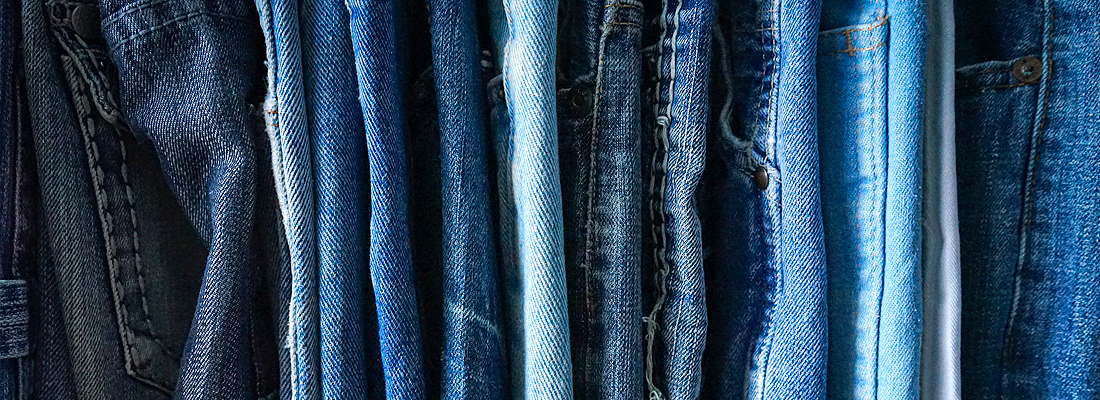
The wash and finish of a pair of jeans significantly influence their appearance, texture, and feel. Different washes and finishes can give jeans a unique look and character, allowing you to choose styles that best fit your fashion preferences.
Raw/Unwashed
Raw or unwashed jeans are made from denim that has not been washed or treated after dyeing. This type of denim is usually dark, stiff, and has a crisp texture. Raw denim develops unique fades and wear patterns over time, making each pair personal to the wearer.
The initial rigidity of raw denim softens with wear, creating a customised fit. These jeans are ideal for denim enthusiasts who appreciate the process of breaking in and personalising their jeans over time.
Rinsed/Light Washed
Rinsed or light washed jeans have been gently washed to remove excess dye and soften the fabric without significantly altering the denim's original colour. This wash results in a slightly faded appearance and a more comfortable feel from the first wear.
Rinsed jeans offer a balance between the dark, raw look and the heavily faded styles, making them a versatile choice for casual and smart-casual outfits.
Stone Washed
Stone washed jeans have been washed with pumice stones to create a faded, worn-in look and a softer texture. This process breaks down the denim fibres, resulting in a more relaxed and comfortable fit. Stone washed jeans often have a vintage aesthetic, with varying degrees of fading and distressing. They are perfect for those who want a casual, lived-in look without waiting for natural wear and tear to develop.
Acid Washed
Acid washed jeans are treated with chlorine or other chemicals to produce a high-contrast, marbled effect. This wash creates dramatic patterns and a unique, edgy appearance. The acid wash process also softens the denim, making the jeans more comfortable to wear. Acid washed jeans are ideal for making a bold fashion statement and are often associated with retro and punk styles.
Distressed & Ripped
Distressed and ripped jeans feature intentional wear and tear, such as frayed edges, holes, and faded areas. These finishes give the jeans a rugged, rebellious look, adding character and a sense of individuality. The level of distressing can vary from subtle abrasions to large, ripped sections. Distressed jeans are perfect for casual, streetwear-inspired outfits and can be paired with everything from graphic tees to leather jackets for a cool, edgy vibe.
Denim Colour
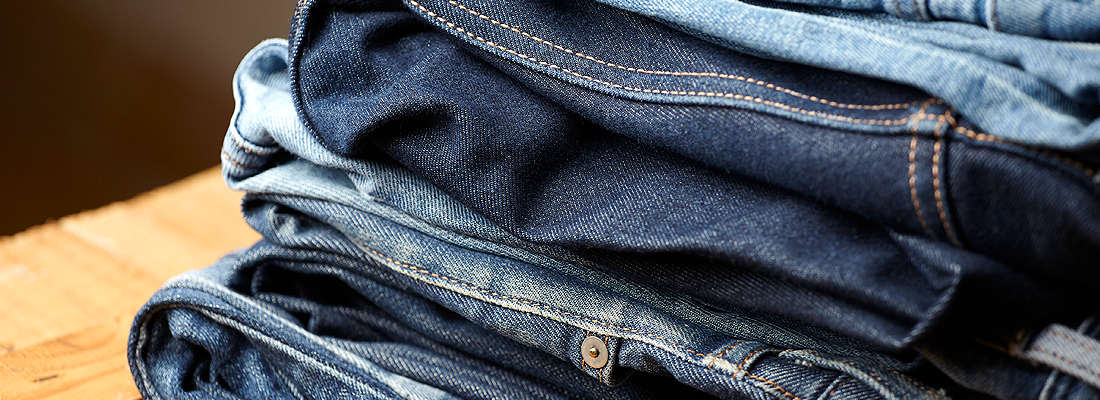
Selecting the right colour of jeans is essential for achieving the desired style and look. Different colours can be suited to various occasions and fashion preferences. Here is a table detailing the common denim colours and their characteristics:
Dark Blue & Indigo
- Classic and versatile, dark blue or indigo jeans are a wardrobe staple. They are typically more formal and slimming.
- Perfect for both casual and smart-casual outfits. Can be dressed up with a blazer or down with a t-shirt.
Light & Washed Blue
- Light blue or washed jeans have a more relaxed, casual appearance. They often feature subtle fading for a worn-in look.
- Ideal for casual, everyday wear. Great for summer and spring outfits. Pairs well with light-coloured tops.
Black
- Black jeans offer a sleek, modern look. They are versatile and can easily be dressed up or down.
- Suitable for a wide range of styles, from casual to smart-casual. Pairs well with almost any top and footwear.
Grey
- Grey jeans provide a contemporary alternative to traditional blue and black denim.
- Great for a modern, stylish look. Versatile for both casual and semi-formal occasions. Pairs well with bold colours.
White & Cream
- White and cream jeans are bold and fresh, ideal for warmer weather. They offer a clean, crisp look.
- Perfect for summer and spring outfits. Best paired with light or bright tops. Requires careful maintenance to stay clean.
Coloured Jeans
- Coloured jeans include a range of hues, from pastels to bold primary colours.
- Ideal for making a fashion statement. Can be styled for casual or creative outfits. Pairs well with neutral tops.
Choosing the right colour of jeans depends on your personal style and the occasions you plan to wear them. Dark blue and black jeans are versatile and timeless, suitable for a range of settings.
Light blue and grey jeans offer a more relaxed and contemporary look, while white, cream, and coloured jeans are perfect for making a bolder statement.
Choosing the Right Size
Finding the perfect size for your jeans is crucial for comfort and style. A pair of jeans that fit you properly will look significantly better than a pair that don’t, irrespective of the quality of the denim, which makes it perhaps the most important thing to consider when you’re buying a new pair.
Measuring Yourself
Getting accurate measurements is the first step in finding the perfect pair of jeans. Here’s a step-by-step guide to help you measure yourself correctly:
Step-by-Step Guide on Taking Measurements
-
Waist Measurement:
-
Find a soft measuring tape.
-
Wrap the tape around your natural waistline, typically located just above your belly button.
-
Ensure the tape is snug but not too tight.
-
Note the measurement in inches or centimetres.
-
-
Inseam Measurement:
-
Stand straight with your legs slightly apart.
-
Measure from the top of your inner thigh down to the bottom of your ankle.
-
It's easier if someone helps you with this measurement to ensure accuracy.
-
Note the measurement in inches or centimetres.
-
-
Hip Measurement:
-
Wrap the measuring tape around the fullest part of your hips and buttocks.
-
Keep the tape level and snug, but not too tight.
-
Note the measurement.
-
-
Thigh Measurement:
-
Measure around the widest part of your thigh, typically a few inches below the hip.
-
Note the measurement.
-
Key Measurements to Consider
-
Waist: This is the most critical measurement for determining your jeans size. It ensures the waistband fits comfortably without being too tight or too loose.
-
Inseam: This measurement determines the length of the jeans, ensuring they are not too short or too long.
-
Hips and Thighs: These measurements help in selecting a fit that will be comfortable around the hips and thighs, particularly important for tighter fits like skinny or slim jeans.
Understanding Size Charts
Once you have your measurements, the next step is to understand how to use size charts to find the right fit for your jeans.
First, identify the key measurements listed in the size chart, which typically include waist and inseam measurements, and sometimes hip and thigh measurements. It's important to look for a size chart or sizing information specific to a particular brand, as sizes can vary between different manufacturers.
Match your measurements with those listed in the size chart. For the waist, find the size that closely matches your waist measurement, and for the inseam, find the length that matches your inseam measurement.
Jeans sizes are usually denoted by two numbers, such as 32x34. The first number represents the waist size, and the second represents the inseam length. Some charts may also list sizes in Small (S), Medium (M), Large (L), etc., along with corresponding numerical measurements.
Using Size Charts to Find the Right Fit
Look for additional notes or guidelines that explain how their sizes fit, such as if they run large or small. Different fits, like skinny, slim, regular, relaxed, or loose, may have variations in sizing even for the same waist and inseam measurements.
Read the size chart details to understand how a particular fit is intended to sit on your body. For example, a relaxed fit will have more room in the thighs and hips compared to a slim fit.
If you are buying from international brands, you may need to convert your measurements to different sizing systems, such as US, UK, or EU sizes. Many size charts provide conversion information to help you find the right size across different systems. Additionally, consider the fabric of the jeans, as stretch denim or 100% cotton can affect sizing. If the jeans are known to shrink after washing, you might consider sizing up slightly.
Trying On Jeans
Trying on jeans is a crucial step in finding the perfect pair. While size charts and measurements provide a good starting point, nothing beats the physical fit and feel of jeans when you try them on.
A good denim retailer will let you try on as many pairs as you need to in-store, or offer a simple returns process when you shop online so you can try on a few pairs to find the one that works for you.
Here are some tips to ensure comfort and proper fit:
Top Tips For Trying On Jeans
Start with your measured size as a baseline, using your waist and inseam measurements to guide you. When you put the jeans on, pay close attention to the waistband. It should sit comfortably around your waist without being too tight or too loose, allowing you to slide two fingers between the waistband and your body. If the jeans fit too tightly, consider sizing up; if they’re too loose, size down.
Next, assess the rise of the jeans, which is the distance from the crotch to the waistband. The rise should sit comfortably according to your preference, whether you prefer high, mid, or low rise. Move around in the jeans to see how they feel in the hip and thigh area. There should be enough room to sit and move comfortably without feeling restricted. Pay attention to any pulling or bunching of the fabric, which indicates an improper fit.
Check the length of the jeans to ensure the inseam allows them to hit just at or slightly below your ankle bone, depending on your style preference. If the jeans are too long, you might need to get them hemmed, while jeans that are too short can be uncomfortable and unflattering. You should also inspect the fit at the back by looking in the mirror or asking someone to check for you. The fabric should lie smoothly without sagging or gaping at the waistband.
Ensuring Comfort & Proper Fit
Ensuring comfort and proper fit involves more than just standing in front of a mirror. Make sure to sit down, stand up, and walk around while wearing the jeans. This helps you assess how comfortable they will be during daily activities, ensuring the jeans do not pinch or bind in any area.
If the jeans are made with stretch denim, ensure they provide enough give for comfort without losing their shape. Stretch jeans should fit snugly but still allow freedom of movement.
Check the functionality of the pockets, ensuring they are deep enough to be useful and positioned so that they don’t bulge or distort the fit of the jeans. Consider the fabric’s weight and texture, as lighter denim is generally more comfortable in warmer weather, while heavier denim offers durability and warmth in cooler months.
Remember that some jeans, especially those made from 100% cotton, may shrink slightly after washing. If the jeans feel slightly loose, they may fit perfectly after the first wash.
Shrinkage & Stretching
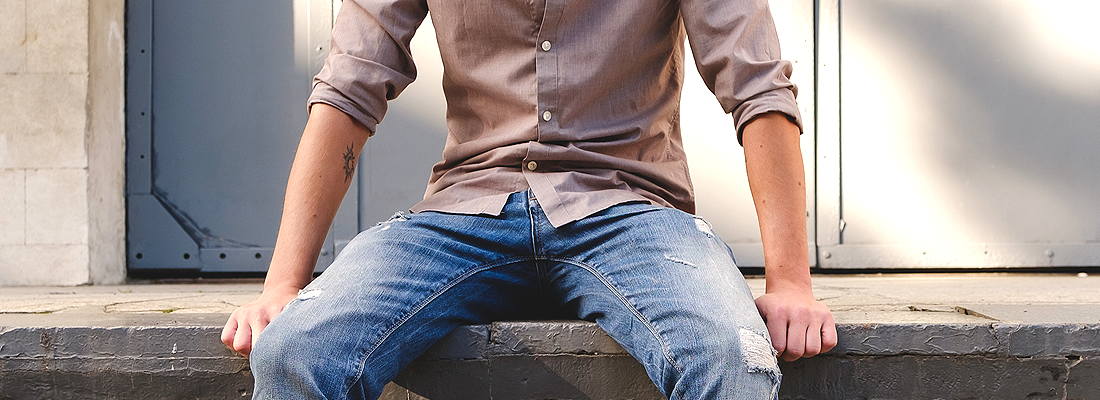
Understanding how different fabrics behave is crucial when selecting the right pair of jeans. Denim, especially 100% cotton, can change size after washing and wearing, affecting the fit and comfort of your jeans.
Understanding Shrinkage & Stretching
Denim made from 100% cotton is prone to shrinkage, especially after the first few washes. This is due to the natural fibres contracting when exposed to water and heat. Raw or unwashed denim can shrink significantly, sometimes by as much as one size. Pre-shrunk or sanforized denim has been treated to reduce this effect, but slight shrinkage can still occur.
On the other hand, jeans that include elastic fibres such as elastane or spandex are designed to stretch. Stretch denim provides added flexibility and comfort, allowing the jeans to move with your body. Over time, however, these fibres can lose their elasticity, causing the jeans to become looser, particularly in areas of high movement like the knees and waistband.
Accounting for Size Changes
When buying jeans, it’s important to consider how they will change after wear and washing. For jeans made from 100% cotton, it’s advisable to purchase a slightly larger size to account for potential shrinkage. If the jeans feel slightly loose when you first try them on, they are likely to fit perfectly after a few washes. Always check the care label and follow the recommended washing instructions to minimise shrinkage.
If you plan to wear your jeans without washing, in order to develop greater contrast in your fades, you might want to opt for a pair that fits you true to size. 100% cotton will stretch out a bit if the jeans are slightly snug to begin with, but will shrink back down after their first soak or wash, and might continue to shrink further for several more washes.
For stretch denim, choose a size that fits snugly but comfortably from the outset. While stretch jeans will loosen slightly with wear, the initial snug fit ensures they won’t become too baggy over time. If the jeans feel too tight initially, they may become uncomfortable as the elastic fibres relax and the jeans lose their shape.
The Anatomy of Jeans
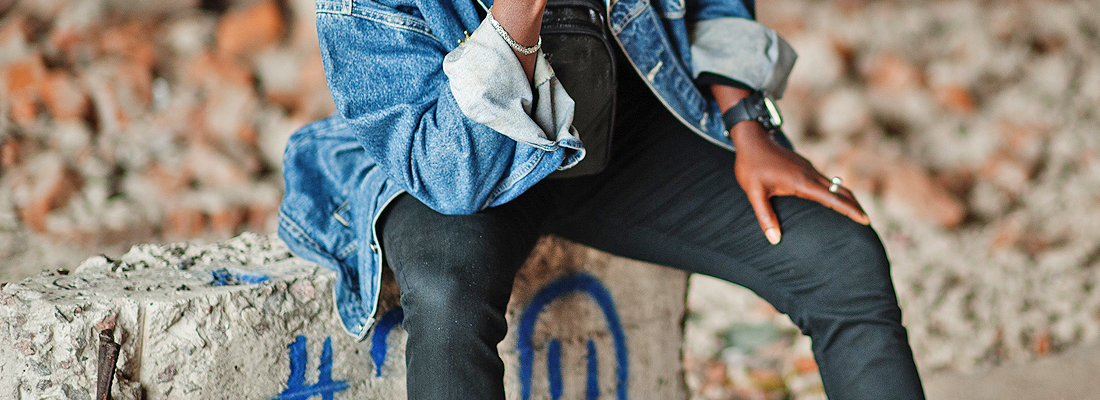
Understanding the various parts and components of a pair of jeans can help you appreciate their design and functionality. Let’s take a look at what makes up a pair of jeans, and how the different options can affect the look and feel:
Waistband
- Holds the jeans up and secures them around the waist.
- A well-fitted waistband enhances comfort and ensures the jeans stay in place.
Fly
- Allows the jeans to be opened and closed for wearing.
- The type of fly can affect the ease of use and the overall style of the jeans.
Pockets
- Provide storage and aesthetic details.
- The design and placement of pockets can influence both the functionality and style of the jeans.
Yoke
- Shapes the fit of the jeans around the seat and back.
- The yoke affects the fit and contour of the jeans around the hips and buttocks.
Belt Loops
- Allow a belt to be worn to secure the jeans.
- Belt loops add functionality and can also be a design feature.
Seams and Stitching
- Hold the fabric pieces together and add decorative elements.
- Quality seams and stitching enhance durability and contribute to the jeans' overall appearance.
Hems
- Finish the bottom edge of the jeans' legs.
- The type of hem can influence the length and style, such as a casual or tailored look.
Labels and Branding
- Identify the brand and provide size and care information.
- Branding adds a signature touch and can be a fashion statement.
Denim Brands To Consider
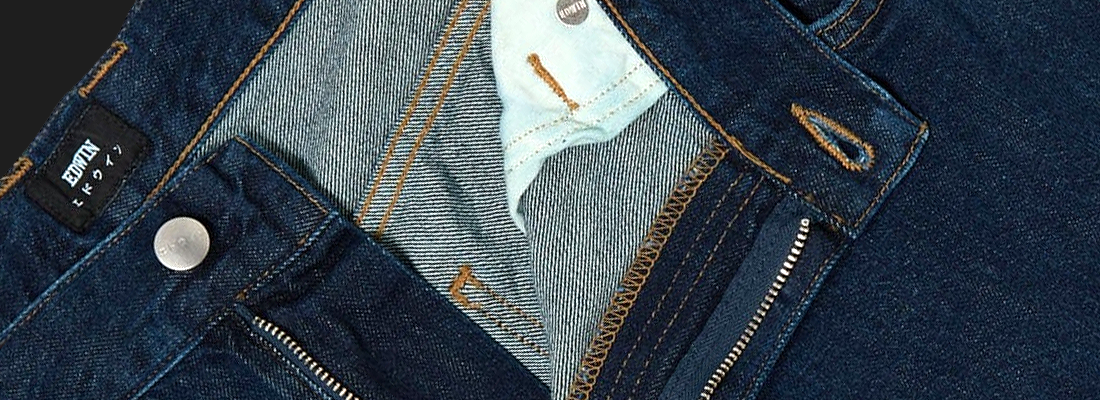
When it comes to high-quality denim, several brands stand out for their craftsmanship, style, and durability. Here are some top brands to consider:
Edwin
Edwin is a renowned Japanese brand known for its innovation in denim production and commitment to quality. Established in 1947, Edwin has a rich heritage in creating durable and stylish jeans. They are particularly famous for their use of unique washes and finishes, such as the Takeo wash and various marble washes, which give their jeans a distinctive look.
Edwin's Made in Japan range is a celebration of traditional craftsmanship combined with innovative denim techniques. Known for its meticulous construction and attention to detail, this range is produced using high-quality Japanese denim, considered some of the best in the world. Options in this collection include a range of fabrics, including Edwin’s famous rainbow selvedge denim.
Nudie Jeans
Nudie Jeans is another brand which emphasises sustainability and ethical production. Founded in 2001, Swedish brand Nudie Jeans has built a reputation for producing high-quality jeans made from organic cotton. They offer a wide range of fits and styles, ensuring there is something for everyone.
One of the standout features of Nudie Jeans is their repair service, which promotes longevity and reduces waste. They encourage customers to repair their jeans rather than replace them, reinforcing their commitment to sustainability. Popular models include the Lean Dean, a slim fit with a straight leg, and the Steady Eddie, which offers a more relaxed fit. Nudie Jeans are also known for their excellent fit and stylish designs, making them a favourite among those who value both style and sustainability.
Related: Nudie Jeans Fit Guide
Carhartt WIP
Carhartt WIP (Work In Progress) is the European division of the American workwear brand Carhartt. Since its inception in 1994, Carhartt WIP has become synonymous with durable, stylish, and functional denim. They combine the ruggedness of traditional workwear with contemporary design elements, making their jeans suitable for both work and casual wear.
Carhartt WIP jeans are known for their robust construction and high-quality materials, ensuring long-lasting wear. The brand offers a variety of fits and styles, such as the Klondike Pant, a regular fit jean with a slight taper, and the Simple Pant, which offers a more relaxed fit. These models cater to different preferences and needs, blending durability with modern aesthetics.
Caring for Your Jeans
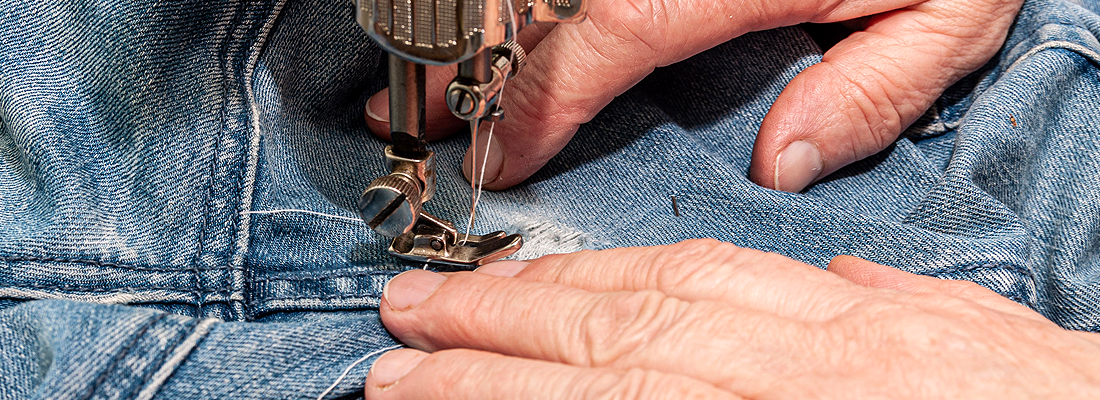
Proper care for your jeans can significantly extend their lifespan and maintain their appearance. While denim is a fairly tough material, the right care and attention will help your jeans last for years.
Washing Tips
-
Reduce Washing Where Possible: Wash your jeans as infrequently as possible, ideally after 5-10 wears as a minimum, to preserve their colour and shape.
-
Turn Inside Out: Always turn your jeans inside out before washing to minimise colour fading and fabric damage.
-
Use Cold Water: Use cold water and a gentle cycle to prevent shrinkage and reduce wear on the fabric.
-
Mild Detergent: Opt for a mild detergent and avoid bleach, which can weaken the denim fibres and cause discolouration.
-
Soak Dark or Raw Denim: For dark or raw denim, consider soaking your jeans in cold water with a small amount of mild detergent instead of machine washing to maintain their deep colour.
-
Spot Clean When Possible: Spot clean small stains with a damp cloth and mild soap instead of washing to extend the time between washes.
Drying and Storage
Proper Methods for Drying Jeans
-
Air Drying: Hang your jeans by the waistband or lay them flat on a clean surface to dry. This method helps maintain their shape and prevents shrinkage.
-
Avoid Tumble Drying: Do not use a tumble dryer, as the heat can cause jeans to shrink and damage the fabric.
-
Dry Indoors or in Shade: Dry your jeans indoors or in a shaded area to prevent colour fading from direct sunlight.
-
Use a Drying Rack: If possible, use a drying rack to ensure even drying and to avoid stretching the fabric.
Best Practices for Storing Jeans
-
Fold Neatly: Fold your jeans neatly and store them in a drawer or on a shelf to prevent creases and maintain their shape.
-
Hang with Sturdy Hangers: If you prefer to hang your jeans, use sturdy hangers that support the weight of the jeans without stretching the waistband.
-
Avoid Direct Sunlight: Store your jeans in a cool, dry place away from direct sunlight to prevent fading.
-
Keep Away from Moisture: Ensure your storage area is free from moisture to avoid mould and mildew, which can damage the fabric.
Repair and Maintenance
How to Fix Common Issues
-
Repairing Rips and Tears: For small rips and tears, use an iron-on patch or a simple sewing technique. Place the patch on the inside of the jeans and iron it to bond it with the fabric. Alternatively, hand-stitch the tear with a needle and thread, using small, even stitches to close the gap. If you prefer a visible mend, consider using contrasting thread to add character to your jeans.
-
Fixing Loose Hems: If the hem of your jeans starts to come undone, re-stitch it using a sewing machine or by hand. Fold the hem back to its original position and sew along the original stitch line for a clean finish.
-
Replacing Broken Zippers: If the zipper on your jeans breaks, you can replace it with a new one. Remove the broken zipper with a seam ripper and sew in a new zipper, ensuring it aligns properly with the fabric.
Tips for Maintaining the Appearance of Jeans
-
Prevent Fading: To maintain the colour of your jeans, wash them infrequently and always inside out. Use cold water and a mild detergent designed for dark fabrics. Avoid prolonged exposure to direct sunlight, which can cause fading.
-
Avoid Over-Washing: Over-washing can cause jeans to lose their shape and colour. Spot clean small stains instead of washing the entire pair. If your jeans need freshening up, consider airing them out or using a fabric refresher spray.
-
Regular Maintenance: Check your jeans regularly for signs of wear and tear. Address small issues promptly to prevent them from becoming larger problems. For example, reinforce weak spots with additional stitching or patches.
-
Professional Repairs: For significant damage, consider taking your jeans to a professional tailor or denim repair service. They can provide expert repairs that blend seamlessly with the original fabric, extending the life of your jeans.
Denim Jeans FAQs
Q: How should men’s jeans fit?
A: Jeans should fit comfortably around the waist without needing a belt, with a slight taper along the leg that suits your body type. They should allow for movement and avoid excessive tightness or sagging.
Q: What’s the best rise for my body type?
A: High-rise jeans work well for men with longer torsos, as they balance proportions by lengthening the legs. Mid-rise is versatile and suits most body types, while low-rise can elongate the torso and is popular for casual, laid-back styles.
Q: How can I tell which cut of jeans is best for me?
A: Straight-leg jeans offer a classic look that works for most body types, while tapered jeans create a more fitted, sleeker style. Wide-leg jeans are ideal for relaxed, casual looks, and bootcut jeans provide a slight flare, accommodating boots and larger footwear.
Q: What’s the difference between raw and selvedge denim?
A: Raw denim is untreated and unwashed, allowing unique fades to develop over time. Selvedge denim refers to the fabric's self-finished edge, produced on traditional looms for added durability and a premium finish.
Q: How often should you wash jeans?
A: To preserve colour and quality, wash jeans after 5-10 wears. Raw denim enthusiasts may wash less frequently to maintain the character of the jeans and create natural fades.
Q: Which denim weight is best for each season?
A: Lightweight denim (5-9 oz) is perfect for summer, medium-weight (10-12 oz) suits all seasons and transitional periods, and heavyweight denim (13 oz+) is ideal for winter, providing warmth and durability.
Q: What’s the difference between skinny, slim, and regular fit jeans?
A: Skinny jeans are tightly fitted through the leg and suited to slimmer builds. Slim fit offers a close but comfortable feel, while regular fit provides a classic, straight-leg cut that suits a variety of body types.
Q: How do I find the right size of jeans?
A: Measure your waist and inseam, then refer to the brand’s size chart. Try on different sizes if possible, and consider slight adjustments for stretch or shrinkage based on the fabric type.
Q: How can I make my jeans last longer?
A: Wash infrequently, air-dry instead of tumble drying, and store jeans folded or hung on sturdy hangers. For any small tears, consider DIY repairs or professional mending to keep them in good shape.
Choose Your Next Favourite Pair Of Jeans
Choosing the right pair of jeans is all about understanding your preferences and knowing what works best for your body type and personal style. Your jeans should make you look and feel great, so whether you want to go for a timeless and versatile pair or something more fashion-forward, there are plenty of options available to suit every preference.


